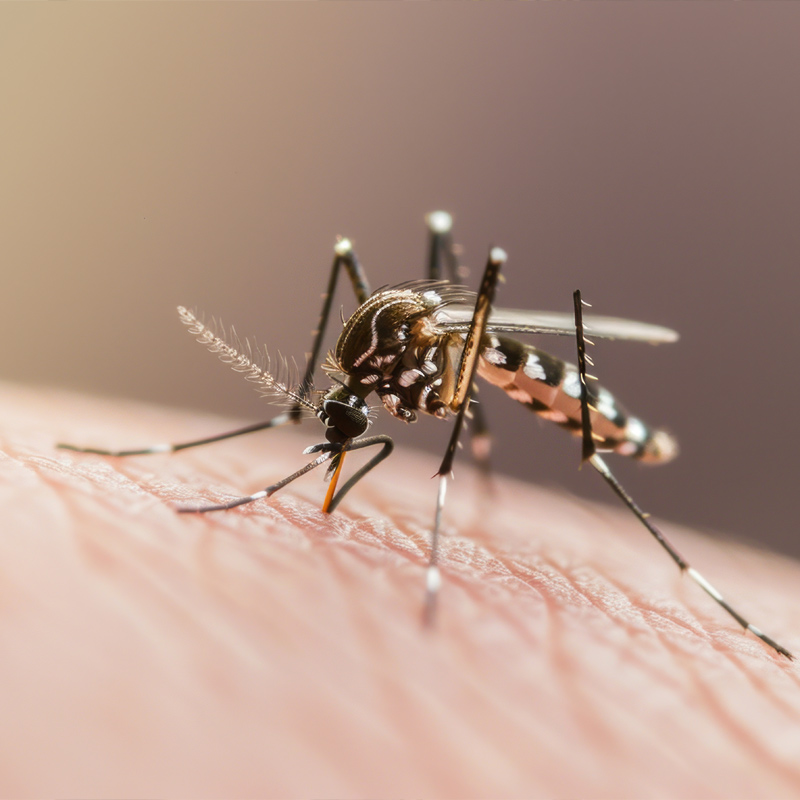
A mosquito bite itches because your immune system reacts to proteins in the mosquito’s saliva. When a female mosquito bites, she injects saliva into your skin to keep blood from clotting while she feeds. Your immune system treats certain proteins in that saliva as foreign and releases histamine, a chemical that causes itching, redness, and swelling around the bite.
Mosquito bites are usually harmless, but the itch can be miserable and sometimes lasts several days. The CDC’s mosquito prevention page covers bite prevention and repellents. Below, we explain why bites itch, what your body is doing, and how to get relief.
Why Do Mosquito Bites Itch?
The itch comes mostly from your body’s immune response to proteins in mosquito saliva. When a mosquito lands, she pierces the skin with her mouthparts to find a small blood vessel, and while feeding she releases saliva with substances that keep blood flowing. Your immune system recognizes some of them as foreign and releases histamine. That triggers inflammation and activates nearby sensory nerves, producing the familiar itch, and often a small raised bump.
What Happens When a Mosquito Bites You?
- The mosquito pierces your skin: a female uses specialized mouthparts to reach a blood vessel.
- Saliva enters the skin: it contains proteins and compounds that help prevent clotting.
- Your immune system detects foreign proteins: your body recognizes parts of the saliva as possible triggers.
- Histamine is released: your immune system sends out histamine and other inflammatory chemicals.
- Itching and swelling develop: the skin becomes irritated, with redness, swelling, and an itchy bump.
The piercing itself does not cause the itch. Your body’s reaction to the saliva does.
Why Does Histamine Make Mosquito Bites Itch?
Histamine is released by certain immune cells, particularly mast cells, during allergic and inflammatory reactions. It binds to receptors in your skin and activates the nerve endings that detect irritation and itching. The results:
- Itching: histamine activates nerves that send itch signals to your brain.
- Redness: blood vessels near the bite expand, increasing blood flow.
- Swelling: more permeable blood vessels let fluid move into surrounding tissue.
- Warmth: extra blood flow can make the skin feel warmer.
Intensity varies. Some people get mild irritation, others get larger, more noticeable bumps.
Why Do Some Mosquito Bites Itch More Than Others?
Some people get small bumps that fade fast, while others have swelling and itching for days. Several things play a role.
1. Individual Immune System Response
Your immune system largely determines how strongly you react. Some people are more sensitive to the saliva proteins and have stronger inflammatory responses.
2. Previous Mosquito Bite Exposure
Reactions can change with repeated exposure. People who have just started getting bitten may react more noticeably as their immune systems learn to recognize the saliva. Over time some people become less sensitive and others keep reacting strongly. It is not always predictable.
3. Type of Mosquito
Species differ in saliva composition, so skin reactions may differ a bit. But itch severity is usually tied more closely to your immune response than to the species.
4. Scratching the Bite
Scratching irritates the skin and can increase inflammation, causing more redness and swelling. Repeated scratching can break the skin and let bacteria in, causing infection. Not scratching is one of the simplest ways to prevent further irritation.
How Long Does a Mosquito Bite Itch?
Most bites stay itchy from a few hours to several days, depending on your immune response and how severe the reaction is. For many people, itching and swelling show up soon after the bite and improve over the next few days. Some people react longer.
Why Does the Itching Sometimes Last for Days?
The immune system does not stop when the mosquito finishes feeding. Inflammatory chemicals and immune activity can continue around the bite and keep the skin irritated. Sometimes a delayed reaction develops hours later, causing new swelling and itching just as the first reaction fades. The bump may remain visible after the itch calms down.
When Should You Be Concerned?
Most bites heal on their own. Watch for signs of a stronger reaction or infection:
- Increasing redness or swelling
- Skin that becomes increasingly painful or warm
- Pus or fluid coming from the bite
- Red streaks spreading from the area
- Fever or feeling generally unwell
- Significant swelling that affects normal movement
Seek medical advice if symptoms worsen, look infected, or do not improve. Difficulty breathing, swelling of the throat or tongue, dizziness, or widespread hives after a bite can signal a serious allergic reaction. Seek emergency medical care immediately.
How to Stop a Mosquito Bite From Itching
Bites usually clear up on their own, but a few approaches can ease itching and swelling. The right one depends on how strong your reaction is and your own medical needs.
1. Wash the Bite With Soap and Water
Gently clean the area with mild soap and water to remove dirt. Do not scrub, which can make irritation worse.
2. Apply a Cold Compress
Cold can temporarily relieve itching and reduce swelling by constricting nearby blood vessels. To use one:
- Wrap an ice pack or ice cubes in a clean towel.
- Place it gently over the bite.
- Leave it for about 10 minutes.
- Remove it and repeat as needed.
Do not put ice directly on your skin, since prolonged contact can damage it.
3. Use Over-the-Counter Anti-Itch Creams
Common options include:
- Hydrocortisone cream to reduce inflammation and itching
- Calamine lotion to soothe irritated skin
- Other topical anti-itch products labeled for insect bites
Follow the product instructions, and ask a healthcare professional if you are unsure which is right for you.
4. Consider Oral Antihistamines
Oral antihistamines can reduce itching from histamine release. Over-the-counter examples include cetirizine and loratadine. Some cause drowsiness, so check the label. Talk to a healthcare professional or pharmacist before taking medication, especially for children, during pregnancy, or if you take other medications.
5. Avoid Scratching the Bite
Scratching may help for a moment, but it irritates the skin and can lead to a bacterial infection. If the itch gets hard to tolerate, try a cold compress or an appropriate anti-itch treatment instead.
6. Keep Your Fingernails Clean and Short
If you do scratch, clean hands and short nails reduce the chance of bacteria getting into irritated skin. This matters most for children, who may scratch without noticing.
Why Do Mosquito Bites Swell and Turn Red?
Redness and swelling are part of the inflammatory response. When your immune system detects saliva proteins, it releases histamine and other chemicals that affect nearby blood vessels, letting immune cells and other substances move into the area. The skin may develop:
- A raised bump
- Redness around the bite
- Localized swelling
- Warmth
- Itching or tenderness
These symptoms are generally temporary.
What Is Skeeter Syndrome?
Skeeter syndrome is a more pronounced local reaction to mosquito bites. People with it can get significant swelling, redness, warmth, and itching, sometimes over a large area, and occasionally with fever or other symptoms. The immune response is more intense than in a typical bite. If you get unusually large reactions, see a healthcare professional for evaluation and treatment advice.
Can You Be Allergic to Mosquito Bites?
Yes. Some people have allergic reactions to proteins in mosquito saliva. Most bites cause mild local reactions, but more sensitive people can have bigger symptoms, such as:
- Large areas of swelling
- Intense itching
- Extensive redness
- Blistering in some cases
- Swelling that extends beyond the bite area
Rarely, a bite can trigger anaphylaxis, a severe allergic reaction. Symptoms may include difficulty breathing, throat swelling, dizziness, or a sudden drop in blood pressure, and it requires immediate emergency care. If you regularly have unusually severe reactions, talk to a healthcare professional about prevention and treatment.
How to Prevent Mosquito Bites Around Your Home
Treating itchy bites helps, but preventing them is the better long-term plan. Mosquitoes breed in small amounts of standing water and rest in shaded, humid areas near homes, so reducing those conditions limits activity.
1. Eliminate Standing Water
Females need places to lay eggs. Regularly check for standing water in:
- Flowerpots and plant saucers
- Buckets and containers
- Old tires
- Birdbaths
- Clogged gutters
- Outdoor toys
- Unused swimming pools
- Other objects that collect rainwater
2. Maintain Your Landscaping
Overgrown vegetation gives adults cool, shaded resting spots. Keep your lawn trimmed, clear yard debris, and maintain shrubs around patios and outdoor living areas. Better drainage also helps keep damp spots from forming.
3. Use Mosquito Repellent
EPA-registered repellents with DEET, picaridin, IR3535, or oil of lemon eucalyptus can help protect against bites. Follow the label, paying attention to age restrictions and directions. Long sleeves and long pants cut down exposed skin.
4. Consider a Professional Mosquito Misting System
If mosquitoes still interfere with your time outside, a professionally installed misting system applies mosquito-control treatments to designated outdoor areas at scheduled intervals to help manage adult activity around landscaping and outdoor living spaces. Read our guide to custom mosquito misting system installation in Dallas or explore our custom mosquito control systems.
Professional Mosquito Control Services for North Texas Homes
Bites make warm, humid Texas summers less enjoyable. Even if you remove standing water and keep up your landscaping, mosquitoes may keep arriving from nearby breeding areas. Texas Mosquito Control is family-owned and has served the Dallas-Fort Worth area since 2003, offering customized mosquito control for homeowners throughout North Texas, including:
Frisco homeowners can read our guide to mosquito control in Frisco, TX. If you have an existing installation, see mosquito system servicing and maintenance. You can also explore our Texas mosquito control systems and Dallas mosquito systems, or read customer testimonials.
Frequently Asked Questions About Mosquito Bite Itching
Why do mosquito bites itch more at night?
There are fewer distractions when you are trying to sleep, and body temperature changes and bedding touching the bite can make it more noticeable. The immune response can also continue after the mosquito is gone.
Why do mosquito bites itch more when you scratch them?
Scratching irritates the skin and can trigger more inflammation. It can also damage the skin barrier and raise the risk of infection. A cold compress or an appropriate anti-itch treatment is usually better.
How long does a mosquito bite stay itchy?
Most itch for a few hours to several days. Bigger reactions last longer, depending on sensitivity and how strong the immune response is.
Does toothpaste help mosquito bites stop itching?
Toothpaste is not a medically established treatment, and some ingredients can irritate sensitive skin. Cold compresses and approved anti-itch products are better options.
Why does a mosquito bite swell after a few hours?
Some people have a delayed immune reaction to the saliva, so swelling, redness, and itching become more noticeable hours after the bite.
Can mosquito bites become infected?
Yes. Heavy scratching can break the skin and let bacteria in. Increasing pain, warmth, spreading redness, and pus can signal infection and should be checked by a healthcare professional.
Do all mosquito bites cause itching?
No. Some people have little or no reaction. It depends on immune sensitivity and prior exposure to saliva.
Can you prevent mosquito bites completely?
It is hard, but repellents, protective clothing, removing standing water, and managing mosquito populations around your home can greatly reduce exposure.
Reduce Mosquito Exposure and Prevent Itchy Bites Around Your Home
Mosquito bites itch because your immune system reacts to proteins in mosquito saliva, releasing histamine that causes irritation, redness, and swelling. Treatments can ease the discomfort, but reducing mosquito activity around your property helps prevent future bites. Contact Texas Mosquito Control to learn more about protecting your outdoor living spaces.
This article is general information, not medical advice. Talk to a healthcare professional about symptoms that worry you.