
October 30, 2026

Friends Drinking Eating Tailgate Party
Mosquito Spraying

What Attracts Mosquitoes? 7 Things That Make Your Yard More Appealing to Them

Mosquitoes are mainly attracted to carbon dioxide, body heat, sweat, body odors, and moisture. Those signals help them find humans and animals to feed on. Standing water, shaded vegetation, and humid outdoor spaces also draw them in by giving them places to rest and reproduce. Knowing what attracts mosquitoes is the first step toward cutting their numbers around your home. The CDC’s mosquito prevention guidance covers repellents and household steps. Below are the common attractants and what you can do about them. 1. Carbon Dioxide From Breathing Carbon dioxide (CO2) is one of the strongest attractants. Humans and animals release it when they breathe, and mosquitoes have specialized sensory organs that detect it, even from some distance. When you exhale, you create a signal they can follow. Once they get closer, they use body heat and skin odors to pick a spot to bite. Why Does Carbon Dioxide Attract Mosquitoes? Female mosquitoes need blood for the nutrients that egg development requires. Carbon dioxide tells them a host is nearby. It also explains why they seem worse around groups of people: more people breathing means a stronger signal. Can You Avoid Attracting Mosquitoes Through Breathing? No, you cannot stop breathing. You can reduce exposure with repellent, protective clothing, and by limiting time outdoors when mosquito activity is high. 2. Body Heat and Warm Temperatures After they detect carbon dioxide, mosquitoes use heat sensing to close in. Warmth from exposed skin shows them where to land and feed. Exercise raises body heat and can make you easier to find. Why Are Mosquitoes Attracted to Warm Bodies? Warm-blooded animals give off a steady source of heat, and mosquitoes combine it with other signals to tell hosts apart from their surroundings. Warm outdoor conditions also support feeding, mating, and reproduction. But mosquitoes do not simply go after anyone who feels warm. They respond to several signals together: carbon dioxide, skin chemicals, and body heat. 3. Sweat and Body Odor Human skin releases chemical compounds that mosquitoes can detect, including substances linked to sweat and skin bacteria. When sweat builds up, it creates a mix of chemicals that can make you more noticeable. Does Sweat Make You More Attractive to Mosquitoes? Sweat alone is not the whole story. What matters is the chemistry from sweat interacting with skin bacteria. Lactic acid, ammonia, and other skin-associated compounds can contribute. That helps explain why people who exercise outdoors or work in the yard often notice more mosquitoes. How Can You Reduce Sweat-Related Attraction? You cannot eliminate your natural scent, but a few habits help: Shower after exercise or outdoor work. Change out of sweat-soaked clothing. Wear clean, breathable clothing. Use EPA-registered mosquito repellents. Avoid staying in heavily infested outdoor areas for long periods. These reduce exposure but cannot guarantee mosquitoes stay away. 4. Standing Water and Moisture Around Your Property Standing water is one of the biggest environmental causes of mosquito problems at home. Carbon dioxide and body odor attract mosquitoes looking for blood, but standing water gives many species a place to breed. Females lay eggs in or near water, and larvae develop there before becoming adults. Common Sources of Standing Water Even small amounts of water can breed certain species. Inspect your property for: Flowerpots and plant saucers Buckets and watering containers Old tires Birdbaths Uncovered trash cans Clogged gutters Children’s outdoor toys Unused swimming pools Drainage areas that collect rainwater Some species, including Aedes, lay eggs in small containers around homes. Why Does Standing Water Increase Mosquito Activity? It lets mosquitoes complete key stages of their life cycle. When breeding areas are available, populations can grow around homes and neighborhoods. Removing standing water is one of the most effective ways to cut breeding. Inspect regularly, empty unnecessary containers, clean gutters, and fix drainage problems. 5. Dark, Shaded, and Humid Areas During the day mosquitoes rest in cool, shaded, humid spots. Direct sun and dry air make them lose moisture. Overgrown vegetation, dense landscaping, and areas with poor airflow give them shelter from sun and wind. Where Do Mosquitoes Hide During the Day? Common resting spots around homes: Dense shrubs and bushes Tall grass Underneath outdoor furniture Shaded garden beds Areas beneath decks Dense vegetation near fences Spaces around outdoor storage structures How Can Landscaping Attract Mosquitoes? Thick vegetation that holds moisture and gets little sun makes a comfortable resting spot. To reduce those conditions: Trim overgrown shrubs. Keep grass at a manageable height. Remove yard debris. Improve drainage in damp areas. Avoid letting vegetation get too dense near outdoor living spaces. 6. Dark-Colored Clothing Research shows that some species, particularly Aedes aegypti, respond to visual cues after they detect carbon dioxide. Dark colors such as black, navy, and dark red can be more visually attractive to some mosquitoes than lighter ones. Why Do Mosquitoes Notice Dark Clothing? Mosquitoes combine visual and chemical signals. After detecting carbon dioxide, they may use visual contrast to spot targets, and dark clothing can stand out more. Clothing color is only one factor, though. It does not guarantee mosquitoes will bite you in dark colors or skip you in light ones. What Colors Should You Wear to Avoid Mosquitoes? Lighter clothing is a reasonable choice outdoors: White Beige Light gray Pastels Long sleeves and long pants reduce exposed skin, and an EPA-registered repellent used per its label adds protection. 7. Outdoor Activities and Physical Exercise Exercise stacks several attractants at once: more carbon dioxide, higher body temperature, and more sweat. Why Do Mosquitoes Bite More During Outdoor Activities? Running, gardening, and walking increase the carbon dioxide you breathe out, and sweating changes the chemicals on your skin. Together those signals make you easier to detect. How Can You Enjoy Outdoor Activities With Fewer Mosquitoes? You do not have to stay inside. Take precautions: Apply an appropriate mosquito repellent. Wear long sleeves and protective clothing. Avoid areas with heavy mosquito activity. Remove standing water around outdoor recreation areas. Consider professional mosquito control for persistent problems. Why Are Some People
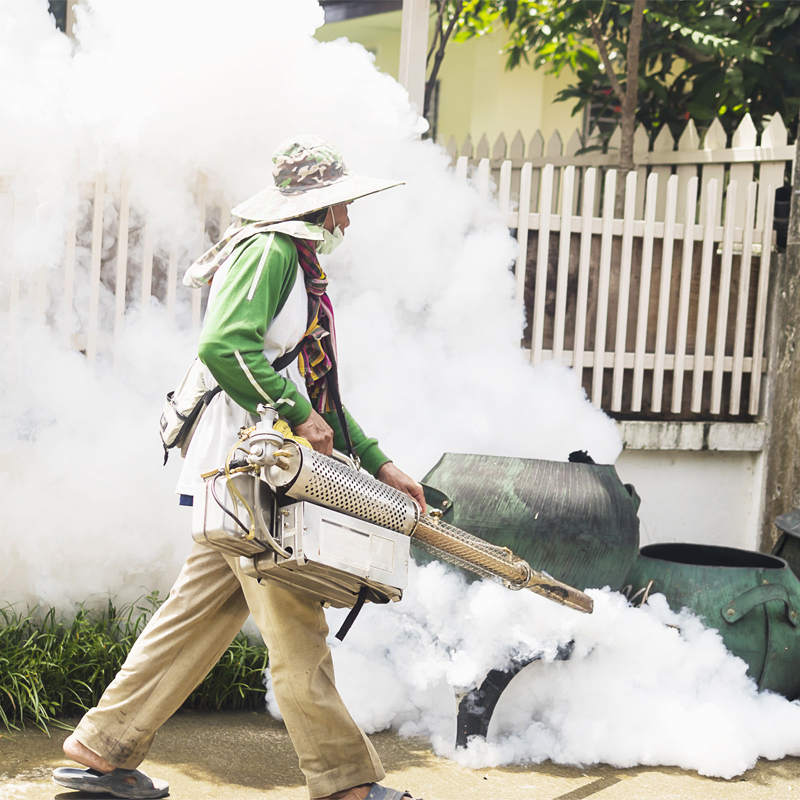
man-is-using-thermal-fog-machine-protect-mosquito-spreading
Mosquito Spraying

What Is the Most Dangerous Mosquito in the World?

The Anopheles mosquito is considered the most dangerous mosquito in the world because it transmits malaria, a life-threatening disease responsible for hundreds of thousands of deaths every year. Thousands of mosquito species exist, but certain Anopheles carry the parasites that cause severe infections in humans. Other dangerous mosquitoes, including Aedes aegypti and Culex species, spread diseases such as dengue, yellow fever, Zika, and West Nile virus. Mosquitoes are more than itchy nuisances. Some species pose serious public health risks, which is why prevention and population control matter for families and communities. The World Health Organization’s malaria fact sheet has the latest global numbers. Why Are Mosquitoes Considered the Most Dangerous Insects in the World? Mosquitoes are among the deadliest animals because of the diseases they carry. They do not attack people directly. They spread pathogens when they feed on blood. Female mosquitoes bite humans and animals to get the blood they need to develop eggs. If one feeds on an infected host, she may pick up a virus or parasite and pass it to someone else on a later bite. Not every mosquito carries disease, though. Only certain species can transmit pathogens that make people ill. According to the World Health Organization (WHO), malaria alone caused an estimated 610,000 deaths worldwide in 2024, which shows how heavy the toll can be where mosquito-borne diseases are widespread. Their ability to reproduce quickly, adapt to different environments, and spread infection is why prevention is part of public health protection. 1. Anopheles Mosquito: The Most Dangerous Mosquito in the World Certain Anopheles species transmit malaria, one of the world’s deadliest infectious diseases. There are hundreds of Anopheles species, but only about 30 to 40 are known to transmit malaria under natural conditions. They live mainly in tropical and subtropical regions. Why Is the Anopheles Mosquito So Dangerous? It transmits Plasmodium parasites, which cause malaria. When an infected female Anopheles bites a person, the parasites enter the bloodstream and travel to the liver, where they multiply before infecting red blood cells. Without treatment, symptoms can become severe. Malaria can cause: High fever and chills Headaches and muscle aches Extreme fatigue and weakness Nausea and vomiting Anemia Seizures and impaired consciousness in severe cases Organ complications and potentially death Severe malaria can progress rapidly, so early diagnosis and treatment are essential. Where Are Anopheles Mosquitoes Commonly Found? Across many parts of the world, particularly in tropical and subtropical environments. They matter most in sub-Saharan Africa, where most global malaria cases and deaths occur. Malaria is not commonly transmitted by local mosquitoes in most of the United States, but imported cases still occur among travelers returning from affected areas. 2. Aedes Aegypti: A Dangerous Mosquito That Spreads Multiple Viruses Aedes aegypti, the yellow fever mosquito, can spread several dangerous viruses, including: Dengue fever Yellow fever Zika virus Chikungunya Why Is Aedes Aegypti Dangerous? It often lives near people and breeds in small containers of standing water. Typical breeding spots include: Flowerpots and plant saucers Buckets and outdoor containers Discarded tires Uncovered water storage containers Clogged gutters Other objects that collect rainwater Because it reproduces close to homes, exposure is more likely. And unlike species that mainly bite at night, Aedes aegypti is generally most active during the day, particularly around dawn and dusk. Diseases Transmitted by Aedes Aegypti Dengue fever: high fever, severe headaches, joint and muscle pain, nausea, and skin rashes. Severe dengue can cause internal bleeding, shock, and death. Yellow fever: fever, muscle pain, headaches, nausea, and weakness. Severe cases may lead to jaundice, organ failure, and death. Zika virus: usually mild, with fever, rash, joint pain, and red eyes. Infection during pregnancy can cause serious birth defects, including congenital brain abnormalities. Chikungunya: fever and severe joint pain. Some people have joint discomfort that lasts months or longer. 3. Culex Mosquito: A Major Carrier of West Nile Virus Culex mosquitoes matter in the United States because certain species transmit West Nile virus. Common species include Culex pipiens, Culex quinquefasciatus, and Culex tarsalis. They are often found around ponds, storm drains, neglected swimming pools, and other places where water accumulates. Why Is the Culex Mosquito Dangerous? Culex can transmit several viruses: West Nile virus St. Louis encephalitis virus Eastern equine encephalitis virus in certain transmission cycles involving other mosquito species Most people infected with West Nile virus never develop symptoms. Some get West Nile fever, with headaches, body aches, fever, and fatigue. In severe cases the infection reaches the brain and nervous system and causes encephalitis or meningitis. Older adults and people with certain health conditions face a higher risk of severe illness. Where Do Culex Mosquitoes Breed? Culex lay eggs on the surface of standing water, including: Unmaintained swimming pools Drainage systems Ponds and water features Containers holding stagnant water Storm drains Wastewater areas Removing unnecessary standing water and maintaining outdoor spaces reduces breeding opportunities. Which Mosquito Is the Most Dangerous in the United States? Anopheles are tied to the deadliest mosquito-borne disease globally, but the biggest threats vary by location. In the US, Aedes and Culex matter most because they spread diseases that occur here. Mosquito Species Diseases Transmitted Primary Concern Anopheles Malaria Primarily associated with travel-related malaria cases in the United States Aedes aegypti Dengue, Zika, yellow fever, chikungunya Can transmit multiple viruses and breed near residential properties Aedes albopictus Dengue, Zika, chikungunya Can thrive in residential environments and small water containers Culex quinquefasciatus West Nile virus, St. Louis encephalitis Important disease vector in parts of the United States Culex tarsalis West Nile virus and other encephalitis viruses Can transmit viruses affecting humans and animals Texas residents should pay particular attention to Aedes and Culex. According to Texas A&M University, about 85 mosquito species have been identified in Texas, though only some transmit diseases that affect humans. Culex are important carriers of West Nile virus, while Aedes aegypti and Aedes albopictus are linked to dengue, Zika, and chikungunya. Local prevention matters most in the warm months when activity increases. What Makes

Spending Time Nature Picnic Accessories Picnic
Mosquito Spraying

What Kills Mosquito Larvae in Water? Effective Ways to Stop Mosquitoes Before They Grow

Bti (Bacillus thuringiensis israelensis) larvicides, certain approved mosquito-control products, and other treatments designed for aquatic breeding sites can kill mosquito larvae in water. Removing standing water works too, because it takes away the environment larvae need. The best method depends on the type of water, whether it can be drained, and whether it is used for drinking, animals, or other purposes. Larvae are easier to deal with before they become flying adults. The CDC says larvicides are for standing water that cannot be covered, dumped, or removed, and that product label instructions must be followed. Its larvicide guidance explains the forms available, including dunks, tablets, pellets, granules, and liquids. Find the standing water around your property, treat or remove the breeding sites, and you interrupt the life cycle. The CDC’s mosquito control at home page adds weekly prevention steps. What Are Mosquito Larvae, and Why Are They Found in Water? Larvae are the immature stage that develops after eggs hatch. People call them wigglers because of their quick, twisting swimming. They cannot fly. They live in water, feed on microorganisms, algae, and organic particles, and come to the surface to breathe through specialized structures. Within several days, depending on species and conditions, they develop into pupae, and then an adult emerges from the water. In warm weather this happens fast. A container that collects rainwater can become a breeding site if left alone long enough for eggs to hatch and larvae to mature. Places to look: Birdbaths and decorative water features Buckets, cans, and outdoor containers Plant saucers and flowerpot trays Clogged gutters and drainage areas Uncovered water storage containers Old tires and discarded equipment Tarps that collect rainwater Low spots in yards where water stays after rain Larvae in any of these mean the water is supporting mosquito development. Address the source, because killing visible larvae without stopping future egg-laying only gives temporary relief. What Kills Mosquito Larvae in Water? Several methods work, but not every treatment suits every water source. Products for ornamental ponds, for example, have different directions and restrictions than those for drainage areas or containers. 1. Bti Mosquito Dunks and Granules Bti is a naturally occurring soil bacterium used in some mosquito-control products. It produces proteins that are toxic to the larvae of certain insects, including mosquitoes. When larvae ingest Bti, it disrupts their digestive systems and they stop feeding and die. Bti comes in several forms: Mosquito dunks Granules Water-soluble products Other formulations for specific aquatic environments Dunks are commonly used in standing water that cannot easily be removed, like ornamental ponds, rain barrels, and some drainage areas. Granules may suit other water-holding locations, depending on the label. Important: always select a product labeled for the intended water source and follow its instructions. Do not assume every Bti product is approved for drinking water, livestock water, fish ponds, or all aquatic environments. Used according to its label, Bti is generally considered a targeted larvicide, but proper application still matters. 2. Methoprene-Based Larvicides Methoprene is an insect growth regulator. Rather than killing larvae outright like a conventional insecticide, it interferes with normal development, so exposed mosquitoes may not complete the transition into reproductive adults. It may come as briquets, granules, or other formulations, and the label sets where it can be applied, how much to use, and how often. Check restrictions involving drinking water, fish, wildlife, and other sensitive environments before using it. 3. Removing Standing Water One of the most effective ways to control larvae is to remove the water. If they are breeding in a bucket, plant saucer, or other removable object, emptying it ends the habitat. Scrubbing the inside can also remove eggs stuck to the sides, especially for species that lay above the waterline. Empty containers holding unwanted standing water. Scrub the inside surfaces to remove attached eggs. Turn containers upside down or store them under cover. Clear debris from gutters and drainage channels. Repair areas where water repeatedly collects. Check the property after rainfall for new breeding sites. This also stops many species from using that spot again. Some water cannot be emptied, though. Permanent ponds, rainwater collection systems, and some drainage features may need a suitable larvicide or another management approach. 4. Mosquito-Eating Fish in Suitable Ponds Some fish eat larvae and can help in suitable ponds. Mosquitofish (genus Gambusia) are known for it, and certain native fish and other aquatic predators eat larvae too. Fish are not a universal answer. Before adding them, consider: Whether the pond can support fish year-round Water temperature and oxygen levels Existing aquatic wildlife Local regulations and environmental guidance The risk of introducing non-native or invasive species Never release mosquitofish or other non-native fish into natural waterways without authorization, since it can harm native ecosystems. For most homeowners, removing standing water or using a labeled larvicide is more practical. 5. Improving Water Circulation Mosquitoes tend to develop in stagnant water, although some species also breed in moving water. Pumps, fountains, and aeration can make ornamental ponds and water features less favorable to some species. But circulation is not a guaranteed fix, because sheltered corners can still support egg-laying. Check the whole feature, including shallow areas and connected containers, and if larvae remain, use a labeled larvicide. What Should You Avoid Putting in Water to Kill Mosquito Larvae? Not every household product that kills insects is safe or effective here. Some home remedies can harm fish, pets, plants, and beneficial insects without reliably killing larvae. Avoid these unless a product is registered and labeled for mosquito control in that water source. Household Bleach Pouring bleach into ponds, fountains, or birdbaths is not good practice. It can damage aquatic life, affect water quality, and create risks for pets and wildlife, and it does not replace a labeled larvicide. If a container can be emptied, drain and clean it. If the water must stay, use a larvicide labeled for it. Dish Soap and Detergents Soap may change the surface tension of water, but it is

Texas Mosquito Control automated mosquito misting system installed on a home
Mosquito Spraying

What Is the Lifespan of a Mosquito?

Adult mosquitoes live anywhere from a few days to several weeks, depending on species, sex, environment, and access to food and water. Males generally live about a week, while females often last several weeks. Under favorable conditions, some females live for months, especially species that survive cold weather in a dormant state. An adult’s lifespan is only part of the story. Mosquitoes first develop as eggs, larvae, and pupae. The CDC’s overview of the life cycle of Aedes mosquitoes walks through those stages. Knowing how long mosquitoes live helps explain why populations keep showing up around your property and why consistent control matters. How Long Do Male and Female Mosquitoes Live? Males and females live different lengths of time because they have different jobs. Male Mosquito Lifespan Males generally live about five to seven days, though it varies by species and conditions. Their job as adults is to find females and mate. Males do not take blood meals. They feed on nectar and other plant sugars, and they tend to stay near breeding areas. Because they do not bite, they do not transmit disease through bites. Female Mosquito Lifespan Females usually live longer. Many common species survive about two to four weeks as adults, and some live considerably longer in favorable conditions. They need blood meals to get the proteins that eggs require, and depending on the species they feed on humans, birds, or other animals. A female can lay several batches of eggs in her lifetime. After a blood meal she looks for a place to lay eggs, often near standing water, and she may repeat the cycle several times. That is how a relatively small number of females can drive a growing population. Understanding the Four Stages of a Mosquito’s Life Cycle The life cycle has four stages: egg, larva, pupa, and adult. The first three happen in or near water. In warm, favorable conditions, some mosquitoes go from egg to adult in about seven to ten days. Species, temperature, food, and conditions all change that. 1. Egg Stage The cycle starts when a female lays eggs, either on standing water, on damp soil that may flood later, or individually on the surface. Some species lay clusters called rafts. Under warm conditions certain eggs hatch within days, while others stay dormant for weeks or months until conditions are right. That is how mosquitoes come back after dry spells. Common places eggs end up: Birdbaths and neglected water features Plant saucers and flowerpots Buckets and outdoor containers Clogged gutters Old tires and discarded items Soil that collects rainwater Removing standing water can stop eggs from ever becoming larvae. 2. Larval Stage Larvae, commonly called wigglers, live in water and move with quick, twisting motions. They feed on microorganisms and organic particles and come to the surface to breathe. This stage usually lasts several days, longer in cooler weather or when food is limited. Larvae molt several times as they grow. Because they depend on water, removing standing water is one of the most effective ways to interrupt development. 3. Pupal Stage Once larvae finish growing they become pupae, sometimes called tumblers for the way they roll when disturbed. Pupae do not feed, but they stay active while wings and legs develop. This stage often lasts one to four days. The adult then emerges at the water’s surface and flies off once its body and wings harden. 4. Adult Stage Adults mate, feed, and reproduce. Males seek nectar, while females of many species also take blood. Both sexes feed on plant sugars. Adults rest in shade and humidity during the hottest hours, often in dense vegetation, shrubs, tall grass, and under outdoor structures. This is the stage that bothers homeowners and can transmit disease. What Factors Affect a Mosquito’s Lifespan? Temperature and Weather Warm conditions speed up development, so a new generation can emerge faster. Extreme heat and dry air can cut adult survival because mosquitoes lose water, which is why humid, shaded resting spots matter. Cold weather kills some adults, while certain species overwinter as dormant adults or cold-tolerant eggs. Availability of Standing Water Without water, mosquitoes cannot finish immature development. Neglected containers, clogged gutters, uncovered water storage, and poorly kept water features give them places to breed. Even small amounts of water can support some species. Food Availability Adults need energy from nectar and plant sugars, and females of many species need blood for eggs. Food does not guarantee a long life, but it affects survival and reproduction. Predators and Natural Threats Fish, aquatic insects, dragonfly nymphs, spiders, bats, and birds eat mosquitoes or their young. Rain, wind, and temperature swings also take a toll, so many mosquitoes never live long enough to reproduce. Mosquito Species Some species finish their life cycle quickly in warm weather. Others survive bad seasons as dormant eggs or adult females. There is no single lifespan that fits every mosquito. Can Mosquitoes Live Through the Winter? Some can, depending on the species. Many adults become inactive or die when temperatures drop. Some species overwinter as fertilized adult females in diapause, a dormant state, tucked into basements, garages, hollow trees, or other sheltered spaces. Others survive as eggs that wait for warmth and water. When temperatures rise, survivors become active again, which is one reason mosquitoes return in spring. In Texas, mild winter stretches can allow mosquito activity outside the usual peak season, so do not assume prevention is over just because it got cold. How Many Eggs Can a Mosquito Lay During Its Lifetime? A female can lay hundreds of eggs over her lifetime, depending on species, blood meal access, and conditions. Some lay clusters, others lay singly where water may collect, and after more blood meals she can produce more batches. A small container of rainwater left alone can become a breeding site, and the larvae can mature into adults in days. That is why removing standing water is so important. Do Mosquitoes Die After Biting Someone? No. A mosquito does

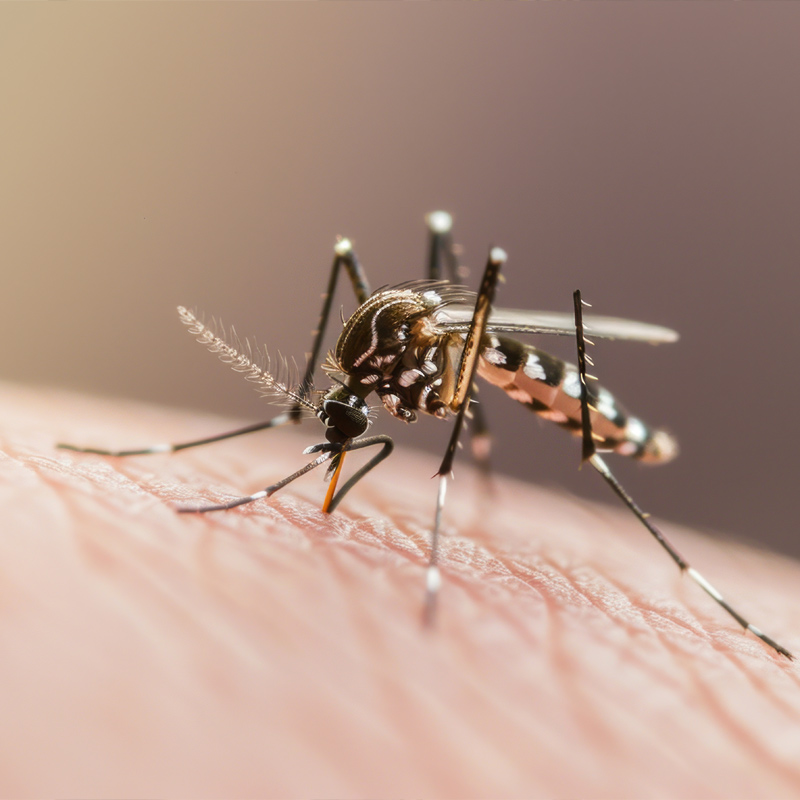
Close-up of a mosquito biting human skin
Mosquito Spraying

What Is the Purpose of a Mosquito? Understanding Why Mosquitoes Exist

Mosquitoes do play roles in the environment. They are food for other animals, they can help pollinate certain plants, and their larvae feed and are eaten in aquatic ecosystems. They are also pests that bite and spread disease, but they are part of natural food chains and ecological processes. Knowing their purpose helps explain why they exist, why they go after people, and why managing them still matters. If you live in Dallas-Fort Worth, though, none of this makes a swarm in the backyard easier to live with. For the public health side, the EPA’s mosquito control page explains how mosquitoes are managed in the US. Below, we cover what mosquitoes do for the environment, why they bite, and what homeowners can do about them. Why Do Mosquitoes Exist in the Environment? Mosquitoes have been around for millions of years and live in forests, wetlands, grasslands, and neighborhoods anywhere breeding conditions exist. Their larvae develop in water, adults feed on nectar, and many species end up as food for other organisms. Their main ecological contributions include: Providing food for fish, amphibians, birds, bats, and other insects Supporting aquatic food chains during their larval stages Contributing to pollination when adults feed on nectar Participating in nutrient cycling in aquatic environments Not every species does these things the same way. Their importance varies by species, habitat, and life stage. 1. Mosquitoes Provide Food for Other Animals Eggs, larvae, pupae, and adults can all become food at different points in the life cycle. Fish and Aquatic Animals Small fish and other aquatic organisms eat mosquito larvae and pupae, which gives them an extra food source and ties mosquitoes into aquatic food webs. Birds and Bats Insect-eating birds and bats catch adult mosquitoes. Mosquitoes are just one item on the menu for most of these predators, since they eat a wide variety of insects. Spiders and Other Insects Spiders, dragonflies, and damselflies also prey on mosquitoes, which helps regulate insect populations. 2. Mosquitoes Help Support Aquatic Ecosystems Mosquitoes spend much of their early development in water. Females lay eggs in or near water, depending on the species, and larvae grow there before becoming pupae and then adults. Mosquito Larvae Consume Organic Material Many larvae feed on microorganisms, algae, bacteria, and organic particles. Some filter particles from the water, while others feed near the surface or eat other small organisms. Mosquitoes Participate in Nutrient Cycling As larvae feed and grow, they move nutrients around. When predators eat them or adults emerge from the water, nutrients transfer between aquatic and land ecosystems. 3. Mosquitoes Can Contribute to Pollination Adult mosquitoes of many species feed on flower nectar and may transfer pollen between plants as they do. They are not among the best-known pollinators, and their importance varies a lot by plant and location. They should not be considered a primary pollinator for most gardens or crops. Both Male and Female Mosquitoes Feed on Nectar A common misconception is that mosquitoes live on blood. Both males and females get energy from plant sugars. Males feed on nectar only. Many female species also need a blood meal for the proteins used in egg development. 4. Mosquitoes Are Part of the Natural Food Chain Mosquitoes feed predators while consuming microorganisms and organic material themselves. We should not exaggerate their importance, though. Many animals that eat mosquitoes have other food sources, and no single insect species decides whether an entire ecosystem survives. Their role is one contribution among many. 5. Why Do Mosquitoes Bite Humans? Not all mosquitoes bite people. Males never take blood, and even among females, host preferences differ by species. Females of many species need blood to produce eggs. Carbon Dioxide Attracts Mosquitoes Females detect the carbon dioxide we exhale and use it to find nearby hosts. Body Heat and Odor Also Play a Role They also respond to heat, moisture, and chemicals on human skin. Attraction varies with the species, conditions, and each person’s body odor. Why Do Mosquito Bites Itch? When a mosquito feeds, it releases saliva that helps blood flow. Your immune system reacts to proteins in that saliva with inflammation, which can cause: Redness Swelling Itching Small raised bumps Local skin irritation Reactions vary from person to person. 6. Why Are Mosquitoes Considered Dangerous Pests? Certain species transmit diseases to people and animals. Depending on the species and region, mosquitoes can spread: West Nile virus Dengue Zika Chikungunya Malaria Eastern equine encephalitis Not every mosquito carries disease, and transmission depends on several environmental and biological factors. In the United States, West Nile virus is a major concern, and the Centers for Disease Control and Prevention identifies mosquitoes as the main route of transmission to humans. That is why mosquito management matters even though mosquitoes have an ecological role. 7. Why Is Mosquito Control Important for Homeowners? Understanding what mosquitoes do for ecosystems does not mean you have to tolerate large populations at home. Residential mosquito control aims to reduce activity where you spend time outdoors by addressing both adults and breeding sites. Remove Standing Water This is the most important step. Many species lay eggs in or near water, and larvae need it to develop. Check these regularly: Plant saucers Birdbaths Buckets and containers Clogged gutters Outdoor toys Unused tires Pool covers Anything else that collects rainwater Maintain Landscaping Overgrown vegetation creates shaded shelter where adults rest. Trim shrubs and clear debris to make the area less attractive. Consider Professional Mosquito Control If activity persists, options include targeted barrier applications and automated misting systems. Texas Mosquito Control, which is family-owned and has served DFW since 2003, designs misting systems that distribute solution through strategically placed nozzles on residential properties. See our custom mosquito misting system page. 8. How Does a Mosquito Misting System Help Manage Mosquito Activity? A misting system releases a fine mist through nozzles around your property. It typically includes a reservoir, pump, tubing, nozzles, and a programmable control unit, and it runs on a schedule. The solution is directed

Mosquito misting system by Texas Mosquito Control
Mosquito Spraying

How to Install a Mosquito Misting System: A Step-by-Step Guide for Homeowners

Installing a mosquito misting system means setting up a reservoir, pump, control unit, tubing, and nozzles around your property. It starts with evaluating your outdoor space, deciding what needs coverage, and designing a layout that puts mosquito control solution where it is needed. Some homeowners consider doing it themselves, but professional installation helps with equipment placement, reliable operation, and proper coverage. For homeowners in Dallas-Fort Worth, an automated system can take the effort out of managing mosquitoes around patios, pools, gardens, and landscaping. The EPA’s mosquito control page covers the basics of mosquito management if you want background first. Here is how the installation process works, so you can prepare your yard and decide whether a custom system is right for you. What Do You Need to Install a Mosquito Misting System? A system uses several connected parts to distribute solution through a network of nozzles. The exact equipment depends on the manufacturer, your layout, and the coverage you want. Reservoir tank: stores the mosquito control solution. Pump: moves solution through the tubing and creates misting pressure. Misting nozzles: release the solution in designated outdoor areas. Tubing: connects the reservoir and pump to each nozzle. Fittings and connectors: join tubing sections and components. Programmable timer and control unit: set when the system runs. Power supply: provides electricity for the pump and controls. Some systems add remote controls. Texas Mosquito Control installs MistAway systems and offers the iMistAway module as an option. See the custom mosquito misting system page for available options. Step 1: Evaluate Your Property and Identify Areas That Need Coverage Start by understanding where mosquitoes rest and where you want protection. They favor shaded, sheltered, humid spots. Walk the yard and note these areas: Landscaping and Shrubs Dense shrubs and vegetation give mosquitoes daytime resting spots, so these sections usually need nozzles. Fence Lines and Property Boundaries Fence lines hold shelter, especially where vegetation crowds in. Your layout should account for them. Patios and Outdoor Living Spaces Kitchens, seating, and covered patios may not be resting spots, but you spend the most time there, so they get priority. Swimming Pools and Gardens Look at pools, gardens, and planted beds for potential resting and breeding spots, and make sure the system is designed and operated to follow the treatment product’s label. This evaluation tells you how many nozzles you need and where the equipment should go. Step 2: Plan the Misting System Layout The layout decides where the reservoir, pump, tubing, and nozzles will sit. A good one avoids unnecessary tubing runs and spreads equipment to match your coverage needs. Consider: Total outdoor area to be treated Number of nozzles needed Distance between the reservoir and the nozzles Locations for mounting equipment Access for future maintenance Landscaping and outdoor structures Electrical requirements Route the tubing where it is protected from damage and hard to see. Follow the manufacturer’s specifications for tubing limits, nozzle spacing, pump capacity, and pressure. And do not assume one layout works for every yard: a heavily landscaped lot needs a different design than an open lawn with a small patio. Step 3: Determine the Proper Locations for the Misting Nozzles Nozzle placement is one of the most important parts of the job, because nozzles decide where solution ends up. Base positions on your landscaping, structures, and system specs, not random intervals. Position Nozzles Near Designated Vegetation Shrubs and dense plantings are shaded resting areas. Position nozzles to direct the mist toward those treatment areas. Account for Outdoor Structures Pergolas, fences, and covered patios affect placement. Work around them while staying within the manufacturer’s recommendations. Avoid Unintended Spray Areas Nozzles should not aim at people, pets, food preparation areas, neighboring properties, or anywhere the product label restricts. Consider wind exposure and spray drift. Follow Manufacturer Specifications Spacing, orientation, and operating pressure vary by equipment, so follow the installation instructions. Step 4: Install the Reservoir and Pump The reservoir holds the solution and the pump moves it to the nozzles. Put both in an accessible spot that meets the manufacturer’s requirements. Think about: A suitable mounting location Protection from the elements where required Access for refilling and maintenance Proper electrical connections Correct pump configuration Secure equipment mounting The pump must be compatible with your tubing, nozzle setup, and operating pressure. Electrical connections should meet applicable codes and manufacturer instructions, and you should hire a qualified professional when electrical work is needed. Step 5: Install the Tubing and Connect the System Components With the main equipment in place, run tubing through the designated areas to connect the reservoir and pump to each nozzle. A planned route keeps the installation organized and cuts the risk of accidental damage. During this stage, technicians: Follow the approved tubing layout Use compatible tubing and fittings Secure tubing per manufacturer specifications Protect exposed sections Inspect connections for leaks Confirm the setup meets system requirements Incorrect connections cause leaks, pressure problems, and uneven mist. That is why tubing should be installed and checked against the manufacturer’s instructions, not a generic method. Step 6: Connect and Configure the Programmable Timer The timer or control unit sets when treatments run. After the hardware is in, configure it per the system instructions and product requirements. Depending on the equipment, you may have: Programmable application schedules Manual system activation Remote system controls Module-based controls on compatible equipment, such as iMistAway Set the schedule according to the product label and manufacturer guidance. More frequent applications do not automatically mean better control. You should also know how to pause the system and check its status. Step 7: Test the System Before Regular Operation Before regular use, inspect and test the whole installation to catch problems early. Inspect Tubing and Connections Check accessible tubing and fittings for leaks, loose connections, and damage. Verify Pump Operation Confirm the pump runs per the manufacturer’s specifications. Inspect Nozzle Performance See whether nozzles distribute solution as intended and whether any look blocked or damaged. Review the Control Settings Make sure the timer and control

Texas Mosquito Control technician installing a mosquito misting system nozzle along a home's roofline
Mosquito Spraying

What Is a Mosquito Misting System? How It Works and Why Homeowners Use It

A mosquito misting system is an automated setup that releases a fine mist of mosquito control solution through nozzles placed around your property. It connects to a central reservoir, pump, and programmable timer, and it treats the outdoor areas where mosquitoes gather on a set schedule. That means no hand-spraying, and it works around backyards, patios, pools, and landscaping. In Dallas-Fort Worth, warm weather and wet seasons keep mosquitoes active for a long stretch of the year. Knowing what the equipment does, what it includes, and how it is maintained will help you decide if it fits your property. For general guidance on mosquito control, see the EPA’s mosquito control page. How Does a Mosquito Misting System Work? When the system activates, a pump moves solution from the reservoir through tubing and out the nozzles as a fine mist. The mist is aimed at places mosquitoes rest, such as shrubs, shaded landscaping, and fence lines. Most systems follow a programmable schedule that you or a technician can adjust. Here is the process in order: Solution storage: the mosquito control solution sits in a dedicated reservoir tank. Activation: a programmable timer triggers the system on schedule. Distribution: the pump builds pressure and moves solution through the tubing. Misting: solution exits through strategically placed nozzles. Coverage: the mist reaches the designated outdoor areas. The point is consistent, scheduled treatment without spraying every area yourself. What Are the Main Components of a Mosquito Misting System? Several parts work together, and each one needs to be installed correctly. 1. Reservoir Tank The tank holds the solution. Its capacity sets how long the system can run before a refill, and larger properties or busier schedules use solution faster. Watch the level and arrange refills so the system never runs dry. 2. Pump The pump creates the pressure that moves solution through the tubing. Uneven pressure means uneven mist, so routine inspections catch pump problems early. 3. Misting Nozzles Nozzles release the solution, and they are placed where mosquitoes rest. Common spots include: Shrubs and dense landscaping Fence lines and property boundaries Covered patios and seating areas Garden sections and shaded spaces Areas around swimming pools How many nozzles you need, and where, depends on your layout and coverage goals. 4. Tubing and Connections Tubing links the reservoir and pump to each nozzle. Installers plan the route to give good coverage while staying discreet. Connections should be checked periodically for leaks and loose fittings. 5. Programmable Timer and Control Unit The timer decides when the system runs and how often. Depending on the equipment, you may also get remote control. Texas Mosquito Control offers the iMistAway module as an option on its systems. Where Is a Mosquito Misting System Installed? Mosquitoes look for shade and shelter out of the sun and wind, so nozzles go where they hide. A professional installer evaluates the property before deciding where. Landscaping and shrubs: dense vegetation is a daytime resting spot. Fence lines: especially where they meet vegetation or other structures. Patios and outdoor living spaces: where you spend your time, covered as part of the overall plan. Pools and gardens: designed to follow the product label and application requirements. What Are the Benefits of a Mosquito Misting System? No system can eliminate every mosquito, but a well-designed and maintained one offers practical advantages. Automation: you rely on a timer instead of repeated manual applications. Customized coverage: nozzle layout is built around your yard. See our custom mosquito misting system installations. More time outside: it helps manage mosquitoes around patios, pools, and gardens. Scheduled applications: a consistent schedule helps through the season when you follow the equipment instructions. You should still remove standing water. Professional maintenance options: technicians can inspect equipment, check nozzles, test the pump, and refill the reservoir. Is a Mosquito Misting System Safe for Pets and Children? Safety depends on the specific solution, how it is applied, and what the product label says. Keep these precautions in mind: Use only products labeled for the intended application. Follow the manufacturer’s operating instructions. Observe label restrictions about people and pets entering treated areas. Keep food and drinking water out of the spray path. Store solutions securely, away from children and pets. Have the system inspected if a nozzle leaks or sprays in the wrong direction. Some homeowners prefer alternative formulations. Texas Mosquito Control offers different spray options, including organic options, so talk through the label instructions with the installation team. A misting system is part of a broader plan, not a replacement for dumping standing water and clearing gutters. How Is a Mosquito Misting System Installed? Professional installation is more than bolting nozzles to a fence. The system is designed around the property. Step 1: Property Evaluation The team reviews landscaping, shade, outdoor structures, and patios to find where coverage is needed. Step 2: System Design and Nozzle Placement The technician decides how many nozzles you need, where they go, and how the tubing will run. Step 3: Equipment and Tubing Installation The reservoir, pump, control unit, and tubing go in according to the approved design, and the nozzles are positioned. Step 4: System Testing The team checks pump operation, connections, nozzle performance, and programmed settings, then makes adjustments. Step 5: Homeowner Instructions You learn how to monitor solution levels, manage the timer, and arrange maintenance. For more detail, read our guide to custom mosquito misting system installation in Dallas. How Do You Maintain a Mosquito Misting System? Automation reduces manual work, but not the need for upkeep. Check solution level. The reservoir should hold enough for the programmed schedule. Inspect nozzles. Look for blockages, leaks, and uneven mist. Check the pump and tubing. Watch for leaks, damaged connections, and pressure problems. Review timer settings. Confirm they still match your routine and the season. Schedule professional servicing. Our servicing page covers options for existing systems. We service most major brands of backyard systems in the DFW area. Is a Mosquito Misting System Different From Traditional Mosquito Spraying? Yes.

Texas Mosquito Control team installing a mosquito misting system reservoir tank at a home
Mosquito Spraying

How Much Is a Mosquito Misting System? Installation Costs and What to Expect

There is no single price tag for a mosquito misting system. The cost depends on the size of your property, the number of misting nozzles, the equipment you choose, and how tricky the installation is. Ongoing costs matter too: mosquito control solution refills, routine maintenance, and the occasional repair. The most reliable way to get a real number is to have a professional walk your backyard and design a system around it. For homeowners in Dallas-Fort Worth, a professionally installed system can be a long-term way to cut down mosquito activity around patios, pools, and landscaping. For background on how mosquitoes are managed in general, the EPA’s mosquito control page is a good starting point. Below, we break down what goes into the price so you know what to ask for. What Is a Mosquito Misting System and How Does It Work? A mosquito misting system is an automated setup that sprays a fine mist of mosquito control solution through nozzles placed around your property. The nozzles connect to a reservoir, pump, tubing, and programmable control unit. Once installed, it runs on a schedule, so you are not hand-spraying the yard or booking repeat visits. A professionally designed system typically includes: Reservoir tank: holds the mosquito control solution. Pump: creates the pressure that pushes solution through the tubing. Misting nozzles: release the mist into designated outdoor areas. Tubing and connections: carry solution from the reservoir to the nozzles. Programmable timer: controls when the system runs. Remote controls: available depending on the equipment and upgrades. Texas Mosquito Control offers the iMistAway module as an option. We design and install customized systems around each property’s layout. See the custom mosquito misting system page for equipment and installation options. What Factors Affect the Cost of a Mosquito Misting System? Two homes with similar square footage can need very different systems because of landscaping, outdoor structures, and mosquito pressure. These are the main cost drivers. 1. Size of Your Backyard and Coverage Area A small yard with a patio and light landscaping needs fewer nozzles and shorter tubing runs. A larger property with a pool, garden beds, and several outdoor living spaces needs more equipment. Size alone does not set the price, though. A compact yard with dense, complicated landscaping can take more work than a big open lawn. 2. Number of Misting Nozzles Nozzles go where mosquitoes rest: Dense shrubs and landscaping Fence lines and property boundaries Covered patios and seating areas Areas around swimming pools Shaded sections of the yard Spots where moisture collects More nozzles mean more material and labor, but too few leaves gaps in coverage. The goal is a well-planned layout, not the most nozzles possible. 3. Equipment and System Features Reservoir capacity, pump setup, and control options all affect the total. Texas Mosquito Control works with MistAway systems. Depending on the equipment, you may add remote controls or the iMistAway module. These add convenience, so choose them based on how you will actually use the system. 4. Landscaping and Installation Complexity Running tubing through an open yard is straightforward. Working around mature trees, retaining walls, and outdoor kitchens takes longer. Technicians often route tubing along fence lines and under roof eaves to keep the install discreet. Access, the distance between reservoir and nozzles, electrical needs, and how much tubing must be concealed all play a role. 5. Type of Mosquito Control Solution The solution you choose affects ongoing cost through price, application needs, and refill schedules. Texas Mosquito Control offers different spray options, including organic options. Ask any installer which solutions are available and how often the reservoir needs refilling. 6. Professional Installation and Labor A proper install means evaluating the property, laying out the system, installing the components, and testing that each nozzle distributes solution correctly. Poor nozzle placement, uneven pressure, and leaks are the usual problems with rushed installs. For a closer look at the process, read our guide to custom mosquito misting system installation in Dallas. What Are the Ongoing Costs of Owning a Mosquito Misting System? The installation price is only part of the picture. Plan for these as well. Mosquito Control Solution Refills How often you refill depends on reservoir capacity, the number of nozzles, how many misting cycles you run, how long each cycle lasts, and the solution used. A larger system or a heavier schedule uses more. Texas Mosquito Control offers refill service so you do not have to manage it yourself. Routine System Maintenance Tubing connections loosen, nozzles clog, and parts need adjusting over time. Routine maintenance covers: Inspecting nozzles Checking pump pressure Testing the timer Inspecting tubing and connection points Checking the agitation system Refilling the reservoir If you already own a system, our servicing and maintenance page explains how we can help. We service most major brands of backyard mosquito misting systems in the DFW area. Repairs and Replacement Parts Repairs depend on the system’s age, operating conditions, and maintenance history. When you get an estimate, ask about warranty terms, labor coverage, replacement parts, and whether future service visits are billed separately. Our custom system page describes a one-year warranty covering parts and labor on MistAway system installations. Confirm the terms for the equipment you select. Seasonal Maintenance and Winterization Depending on the equipment, seasonal service can include winterization and de-winterization, inspections, and seasonal solution refills. During spring service, our team checks the equipment and performs a prorated mosquito spray fluid refill. Is a Mosquito Misting System Worth the Investment? That depends on how much you use your outdoor space, how bad your mosquito problem is, and how much you value convenience. For homeowners who live on their patios and in their yards, an automated system offers a few clear advantages. Convenience: it runs on a programmed schedule, so there is no buying products or hand-applying treatments. Customized coverage: a dense-landscaping yard needs a different nozzle layout than an open lawn with a pool and covered patio. A professional design accounts for that. Consistency: scheduled applications are

Scroll to Top