The Anopheles mosquito is considered the most dangerous mosquito in the world because it transmits malaria, a life-threatening disease responsible for hundreds of thousands of deaths every year. Thousands of mosquito species exist, but certain Anopheles carry the parasites that cause severe infections in humans. Other dangerous mosquitoes, including Aedes aegypti and Culex species, spread diseases such as dengue, yellow fever, Zika, and West Nile virus.
Mosquitoes are more than itchy nuisances. Some species pose serious public health risks, which is why prevention and population control matter for families and communities. The World Health Organization’s malaria fact sheet has the latest global numbers.
Why Are Mosquitoes Considered the Most Dangerous Insects in the World?
Mosquitoes are among the deadliest animals because of the diseases they carry. They do not attack people directly. They spread pathogens when they feed on blood. Female mosquitoes bite humans and animals to get the blood they need to develop eggs. If one feeds on an infected host, she may pick up a virus or parasite and pass it to someone else on a later bite.
Not every mosquito carries disease, though. Only certain species can transmit pathogens that make people ill. According to the World Health Organization (WHO), malaria alone caused an estimated 610,000 deaths worldwide in 2024, which shows how heavy the toll can be where mosquito-borne diseases are widespread. Their ability to reproduce quickly, adapt to different environments, and spread infection is why prevention is part of public health protection.
1. Anopheles Mosquito: The Most Dangerous Mosquito in the World
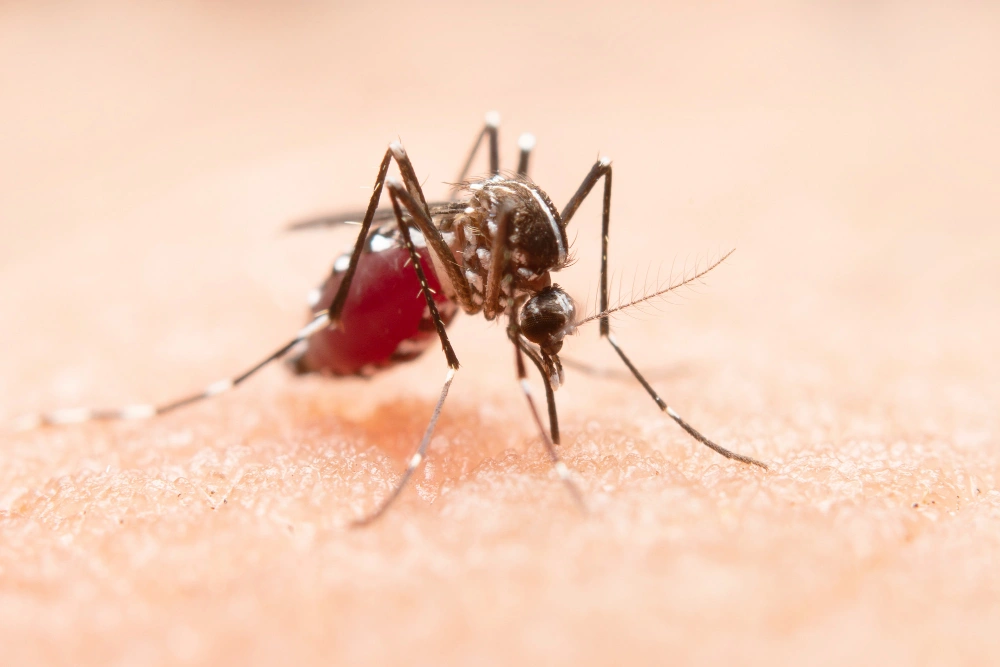
Certain Anopheles species transmit malaria, one of the world’s deadliest infectious diseases. There are hundreds of Anopheles species, but only about 30 to 40 are known to transmit malaria under natural conditions. They live mainly in tropical and subtropical regions.
Why Is the Anopheles Mosquito So Dangerous?
It transmits Plasmodium parasites, which cause malaria. When an infected female Anopheles bites a person, the parasites enter the bloodstream and travel to the liver, where they multiply before infecting red blood cells. Without treatment, symptoms can become severe. Malaria can cause:
- High fever and chills
- Headaches and muscle aches
- Extreme fatigue and weakness
- Nausea and vomiting
- Anemia
- Seizures and impaired consciousness in severe cases
- Organ complications and potentially death
Severe malaria can progress rapidly, so early diagnosis and treatment are essential.
Where Are Anopheles Mosquitoes Commonly Found?
Across many parts of the world, particularly in tropical and subtropical environments. They matter most in sub-Saharan Africa, where most global malaria cases and deaths occur. Malaria is not commonly transmitted by local mosquitoes in most of the United States, but imported cases still occur among travelers returning from affected areas.
2. Aedes Aegypti: A Dangerous Mosquito That Spreads Multiple Viruses
Aedes aegypti, the yellow fever mosquito, can spread several dangerous viruses, including:
- Dengue fever
- Yellow fever
- Zika virus
- Chikungunya
Why Is Aedes Aegypti Dangerous?
It often lives near people and breeds in small containers of standing water. Typical breeding spots include:
- Flowerpots and plant saucers
- Buckets and outdoor containers
- Discarded tires
- Uncovered water storage containers
- Clogged gutters
- Other objects that collect rainwater
Because it reproduces close to homes, exposure is more likely. And unlike species that mainly bite at night, Aedes aegypti is generally most active during the day, particularly around dawn and dusk.
Diseases Transmitted by Aedes Aegypti
Dengue fever: high fever, severe headaches, joint and muscle pain, nausea, and skin rashes. Severe dengue can cause internal bleeding, shock, and death.
Yellow fever: fever, muscle pain, headaches, nausea, and weakness. Severe cases may lead to jaundice, organ failure, and death.
Zika virus: usually mild, with fever, rash, joint pain, and red eyes. Infection during pregnancy can cause serious birth defects, including congenital brain abnormalities.
Chikungunya: fever and severe joint pain. Some people have joint discomfort that lasts months or longer.
3. Culex Mosquito: A Major Carrier of West Nile Virus
Culex mosquitoes matter in the United States because certain species transmit West Nile virus. Common species include Culex pipiens, Culex quinquefasciatus, and Culex tarsalis. They are often found around ponds, storm drains, neglected swimming pools, and other places where water accumulates.
Why Is the Culex Mosquito Dangerous?
Culex can transmit several viruses:
- West Nile virus
- St. Louis encephalitis virus
- Eastern equine encephalitis virus in certain transmission cycles involving other mosquito species
Most people infected with West Nile virus never develop symptoms. Some get West Nile fever, with headaches, body aches, fever, and fatigue. In severe cases the infection reaches the brain and nervous system and causes encephalitis or meningitis. Older adults and people with certain health conditions face a higher risk of severe illness.
Where Do Culex Mosquitoes Breed?
Culex lay eggs on the surface of standing water, including:
- Unmaintained swimming pools
- Drainage systems
- Ponds and water features
- Containers holding stagnant water
- Storm drains
- Wastewater areas
Removing unnecessary standing water and maintaining outdoor spaces reduces breeding opportunities.
Which Mosquito Is the Most Dangerous in the United States?
Anopheles are tied to the deadliest mosquito-borne disease globally, but the biggest threats vary by location. In the US, Aedes and Culex matter most because they spread diseases that occur here.
| Mosquito Species | Diseases Transmitted | Primary Concern |
|---|---|---|
| Anopheles | Malaria | Primarily associated with travel-related malaria cases in the United States |
| Aedes aegypti | Dengue, Zika, yellow fever, chikungunya | Can transmit multiple viruses and breed near residential properties |
| Aedes albopictus | Dengue, Zika, chikungunya | Can thrive in residential environments and small water containers |
| Culex quinquefasciatus | West Nile virus, St. Louis encephalitis | Important disease vector in parts of the United States |
| Culex tarsalis | West Nile virus and other encephalitis viruses | Can transmit viruses affecting humans and animals |
Texas residents should pay particular attention to Aedes and Culex. According to Texas A&M University, about 85 mosquito species have been identified in Texas, though only some transmit diseases that affect humans. Culex are important carriers of West Nile virus, while Aedes aegypti and Aedes albopictus are linked to dengue, Zika, and chikungunya. Local prevention matters most in the warm months when activity increases.
What Makes Certain Mosquitoes More Dangerous Than Others?
1. Ability to Transmit Diseases
The biggest factor is whether a species can carry and transmit pathogens such as malaria, dengue, yellow fever, and West Nile virus. A mosquito must first become infected before it can pass a disease on.
2. Feeding Habits
Mosquitoes that feed on humans often create more chances for transmission. Some species prefer people, while others mainly feed on birds or other animals, which affects which diseases they spread.
3. Breeding and Reproduction
Some species lay eggs in very small amounts of standing water. A container, clogged gutter, or discarded tire is enough. When breeding sites are widespread, populations can grow fast and get harder to manage.
4. Environmental Adaptability
Certain mosquitoes survive in different climates and residential environments. Aedes adapt to urban and suburban areas and find breeding sites around homes, which means repeated exposure.
5. Disease Severity
Some infections cause mild symptoms and others cause severe complications or death. Malaria remains especially dangerous because severe infection can affect the brain, kidneys, and other organs. Dengue and West Nile virus can also cause life-threatening complications.
How Can You Protect Your Home From Dangerous Mosquitoes?
You cannot remove mosquitoes from the environment, but you can reduce their numbers and your exposure.
1. Eliminate Standing Water
Inspect your property regularly, especially:
- Flowerpots and saucers
- Buckets and outdoor toys
- Old tires
- Birdbaths
- Clogged gutters
- Unused containers
- Drainage areas
Empty and clean these places regularly so mosquitoes cannot lay eggs.
2. Maintain Your Yard
Overgrown vegetation gives adults places to rest. Keep grass trimmed, remove debris, and maintain shrubs and landscaping.
3. Use Mosquito Repellents
EPA-registered repellents with DEET, picaridin, IR3535, or oil of lemon eucalyptus can help protect against bites when used as directed. Wear long sleeves and long pants outdoors during periods of heavy mosquito activity.
4. Consider a Professional Mosquito Control System
If mosquitoes are a constant problem, professional control can be more consistent. A professionally installed misting system delivers targeted treatments around designated areas at scheduled intervals, helping reduce adult mosquito activity in treated spaces. Read our guide to custom mosquito misting system installation in Dallas or explore our custom mosquito system solutions.
5. Schedule Regular System Maintenance
A system needs upkeep to keep working. Inspections catch clogged nozzles, leaks, and damaged components. If you already have an installation, see our page on service and maintenance for your mosquito system.
Professional Mosquito Control for Texas Homeowners
Warm, humid Texas summers can make it hard to enjoy your yard. Standing water removal and yard care are the first steps, but properties with persistent activity may benefit from a designed solution. Texas Mosquito Control, family-owned and serving the Dallas-Fort Worth area since 2003, builds customized misting systems around each property’s layout and needs. We serve:
If you live in the Frisco area, our guide to mosquito control in Frisco, TX covers practical approaches for North Dallas summers.
How Do Mosquito Misting Systems Help Reduce Mosquito Populations?
Misting systems apply treatments to targeted outdoor areas at scheduled intervals. Depending on design and product, they can help reduce adult mosquito activity around landscaping, vegetation, and outdoor living spaces. A professional installation considers:
- Property layout: nozzle placement depends on your size, landscaping, and outdoor features.
- Mosquito activity: areas with frequent activity may need extra attention in planning.
- System coverage: good nozzle placement spreads treatment across the designated areas.
- Maintenance: routine inspections keep the system working as intended.
Misting systems do not eliminate every mosquito or prevent all mosquito-borne disease. Results depend on proper installation, appropriate products, maintenance, and the surrounding environment. Learn more about our Texas mosquito control systems and Dallas mosquito systems, or read what customers say.
Frequently Asked Questions About the World’s Most Dangerous Mosquitoes
What is the deadliest mosquito species in the world?
Anopheles are generally considered the most dangerous group because certain species transmit malaria, which kills hundreds of thousands of people worldwide each year.
Which mosquito spreads the most diseases?
Aedes aegypti is one of the most important, since it can transmit dengue, yellow fever, Zika, and chikungunya.
Are mosquitoes in Texas dangerous?
Yes. Certain Texas species can transmit West Nile virus, dengue, Zika, and chikungunya. Culex are especially important for West Nile virus.
What time of day are mosquitoes most active?
It varies by species. Aedes commonly bite during daylight, particularly around dawn and dusk, while many Culex are more active in the evening and at night.
Can a single mosquito bite make you sick?
Yes, a bite from an infected mosquito can transmit disease. But not every mosquito carries pathogens and not every bite leads to infection.
How can I keep dangerous mosquitoes away from my home?
Remove standing water, maintain your landscaping, use appropriate repellents, keep window screens in good repair, and consider professional mosquito control for persistent outdoor problems.
Protect Your Property From Dangerous Mosquitoes
Anopheles are considered the most dangerous because of malaria, but Aedes and Culex also pose significant health risks. For Texas homeowners, knowing the local threats and cutting breeding opportunities are the first steps toward a more comfortable yard. Contact Texas Mosquito Control to learn about available mosquito control solutions.